Couture Styling for an Editorial Shoot
Couture styling for an editorial shoot balances careful garment handling with precise fitting, considered poses and close collaboration with the photographer.
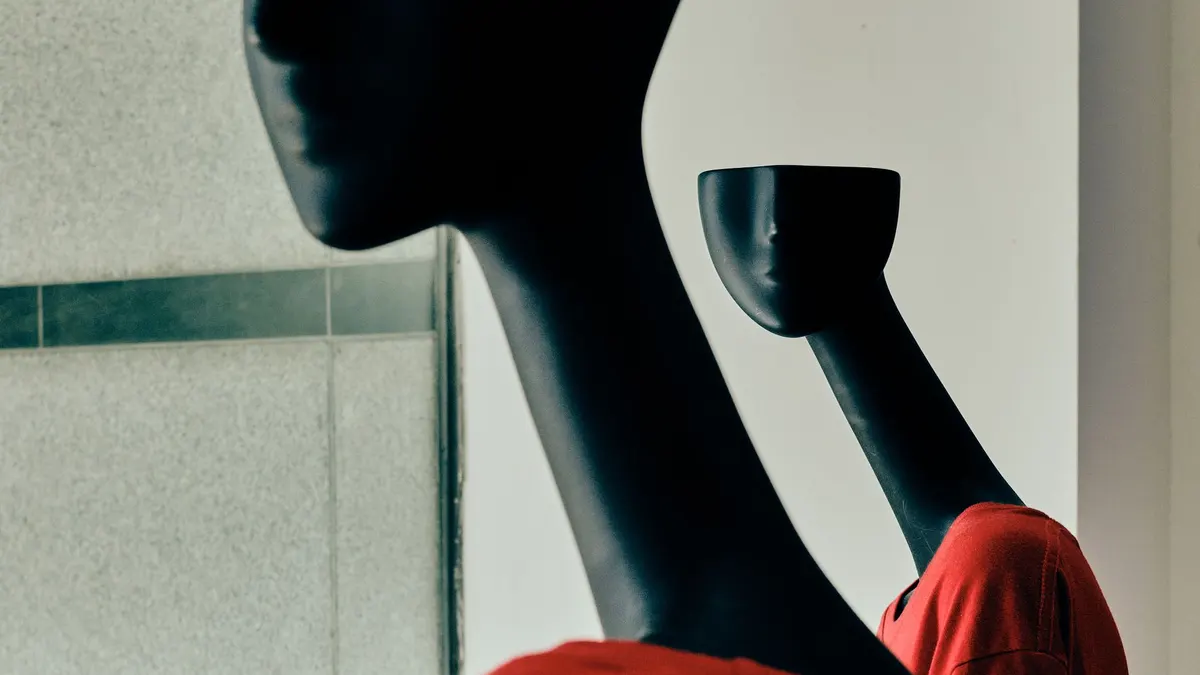
Couture garments bring particular demands to an editorial shoot. They may be made through intensive handwork, shaped for a specific body or built with details that are difficult to replace. Styling therefore involves more than choosing a look: it requires protecting the garment while making its form legible in front of the camera.
Preparation and handling
Before a garment is dressed, the stylist checks its construction, closures, embellishments and areas of stress. Notes about delicate seams, loose details or restricted movement help the team plan how it can be handled. Clean hands, a clear changing area and careful movement reduce the risk of snagging or marking the fabric. Jewellery and accessories are managed separately until the garment is secure.
Handling often needs to be coordinated. One person may support a skirt or train while another guides the model into a sleeve or fastens a closure. Garments are not pulled into place by decorative elements, and heavy sections are supported rather than allowed to drag. Between frames, a stylist may smooth folds, reposition a sleeve or check that a train has not caught beneath a shoe.
Fitting and pinning
Couture is not necessarily designed to fit every wearer straight from the hanger. A fitting reveals how the garment sits on the body and where temporary adjustments may be needed for the photograph. Pins can refine a waist, secure a fold or control excess fabric, but they should be placed discreetly and only where they will not damage the cloth or distort its structure. The garment's seams and internal support help determine what can safely be changed.
Temporary fitting is different from altering a garment. A stylist aims to create a clean line for the camera without cutting, stitching or forcing a shape that the construction cannot sustain. Adjustments must also allow the model to breathe and move safely. A look that appears smooth in a still frame may be uncomfortable or unstable if it is too tightly secured.
Fabric, construction and movement
Fabric affects how a pose reads. A firm, sculpted bodice may hold its outline but limit twisting, while a fluid skirt can respond to a step or turn. Beading and embroidery add weight, so a model may need to move slowly to keep the garment balanced. Long sleeves can obscure the hands; a high neckline can restrict the angle of the head. Such details influence both the choice of pose and the camera position.
Volume needs room. A wide skirt may require space to spread, and a trailing panel can change direction as the model turns. The stylist watches how fabric falls when the model stands, sits or walks, then makes small corrections between takes. The aim is not to suppress every crease, but to distinguish intentional shape from a fold that hides the garment's construction.
Working with the photographer
The stylist and photographer plan how each look will be shown. They may discuss which details should lead the frame, how much movement the garment can accommodate and whether the image should emphasise silhouette, surface or craftsmanship. Lighting and camera angle can reveal texture or flatten it, so a shift in position may matter as much as a change in styling.
During the shoot, clear communication keeps adjustments practical. The photographer can signal when a pose conceals a key feature; the stylist can explain when a movement risks stressing a closure or distorting a sleeve. Together, they balance visual intention with the garment's limits, allowing its materials and construction to remain central to the editorial image.
More articles
 Craft and display
Framing and Cropping Fashion Photographs
Framing and cropping direct attention in fashion photographs. Sequence and captions then shape how viewers read a series.
 Craft and display
How Fashion and Jewellery Are Displayed in Museums
Museum displays balance visual storytelling with the care of fragile garments and gemstones. Learn what to notice in their presentation.
 Craft and display
How Fashion Showcases Shape the Presentation of Looks
Fashion showcases bring clothing together in a planned presentation. Their format and pacing distinguish them from editorials and campaigns.