How Fashion Showcases Shape the Presentation of Looks
Fashion showcases bring clothing together in a planned presentation. Their format and pacing distinguish them from editorials and campaigns.
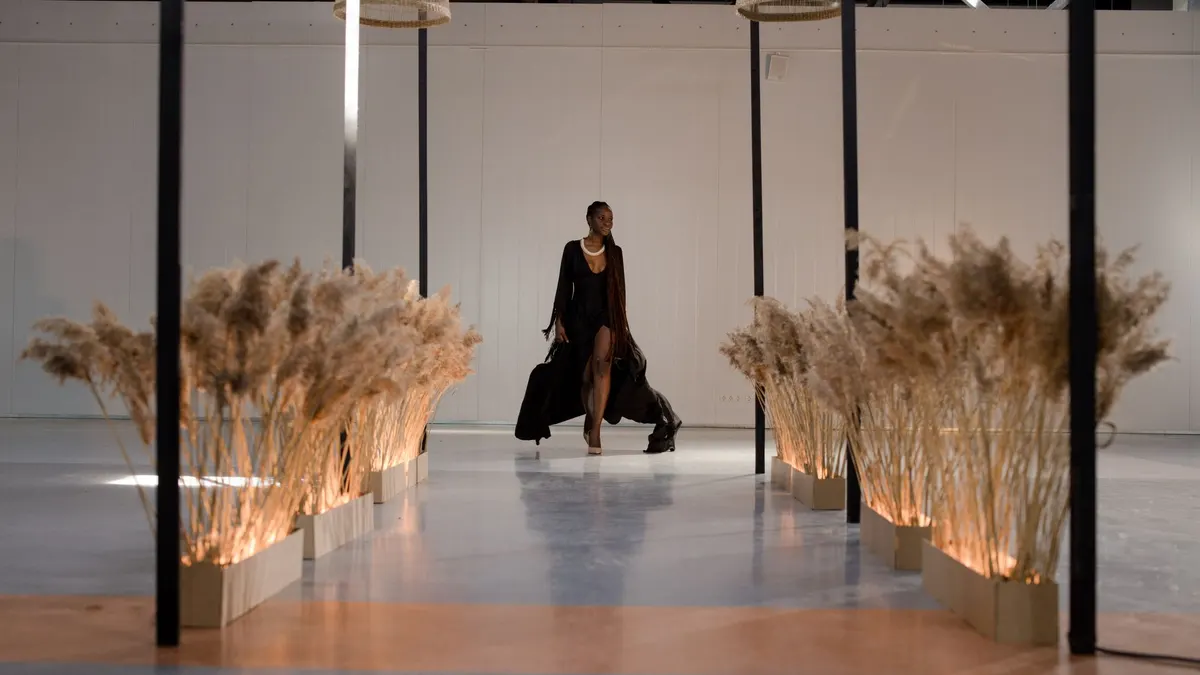
A fashion showcase is a planned way to present a group of looks to an audience. It may take the form of a runway show, a smaller presentation or a showroom appointment. Each format shapes how garments are seen, how one look relates to the next and how much time viewers have to examine details. The central task is to make a collection legible as a whole without losing the character of individual pieces.
Choosing a format
A runway show places looks in motion, usually along a set route before a seated or standing audience. Movement reveals how fabric falls, how layers shift and how a silhouette changes from different angles. A presentation is often more static or loosely timed. Models or mannequins may occupy a space at once, allowing visitors to compare several outfits and inspect their construction at close range.
A showroom is arranged for slower, more focused viewing. Garments may be displayed on rails or worn during individual appointments, with room to discuss materials, fit and styling. These formats serve different viewing conditions: a show creates a shared event, while a showroom supports detailed attention. Neither format is automatically more expressive; the choice depends on the clothes and the intended encounter.
Sequencing looks and managing pace
Look order gives a showcase a sense of progression. An opening outfit can establish the collection’s silhouette, palette or mood, while later looks may introduce variation, contrast or increasing complexity. Repeated colours, shapes or materials can connect outfits across the sequence. A final look may gather earlier ideas into a clear conclusion, though a quieter ending can be effective when it suits the collection.
Pacing determines how much space each outfit receives. A brisk runway rhythm can emphasise energy and continuity, but may make intricate details difficult to register. Longer intervals, pauses or a slower walk give viewers more time to read tailoring and accessories. In a presentation, pacing can be shaped by the route through the room, the number of viewing points and the amount of space around each look.
Lighting, sound and the setting
Lighting affects colour, texture and visibility. Even illumination helps viewers assess a garment consistently, while directional light can make folds and surface details more pronounced. Strong shadows or coloured lighting may create atmosphere but can alter how fabrics appear. The setting also matters: clear sightlines and suitable viewing distances help prevent staging from obscuring the clothes.
Music and ambient sound influence the perceived rhythm of a show. A steady beat can support a consistent walking pace; changes in volume or tempo can mark transitions. Silence may draw attention to movement and fabric, especially in a restrained presentation. Sound should complement the sequence rather than compete with it, and practical considerations such as audibility and the room’s acoustics affect its impact.
Showcase, editorial and campaign
A showcase presents looks in a shared space or arranged sequence, so viewers can encounter garments as a collection. A fashion editorial is a set of images shaped into a visual narrative, often using styling, location and framing to suggest a particular mood. A campaign is designed to communicate a focused message about a product or collection, commonly through coordinated images and text. These forms can share visual ideas, but they are not interchangeable: a showcase prioritises the viewing of looks, an editorial develops a photographic story, and a campaign centres on a concise message.
More articles
 Craft and display
Couture Styling for an Editorial Shoot
Couture styling for an editorial shoot balances careful garment handling with precise fitting, considered poses and close collaboration with the photographer.
 Craft and display
Framing and Cropping Fashion Photographs
Framing and cropping direct attention in fashion photographs. Sequence and captions then shape how viewers read a series.
 Craft and display
How Fashion and Jewellery Are Displayed in Museums
Museum displays balance visual storytelling with the care of fragile garments and gemstones. Learn what to notice in their presentation.