Styling Cause-Driven Campaigns and Short Films
In health-awareness films, wardrobe can suggest real life and emotional tone while keeping attention on the message and the people sharing it.
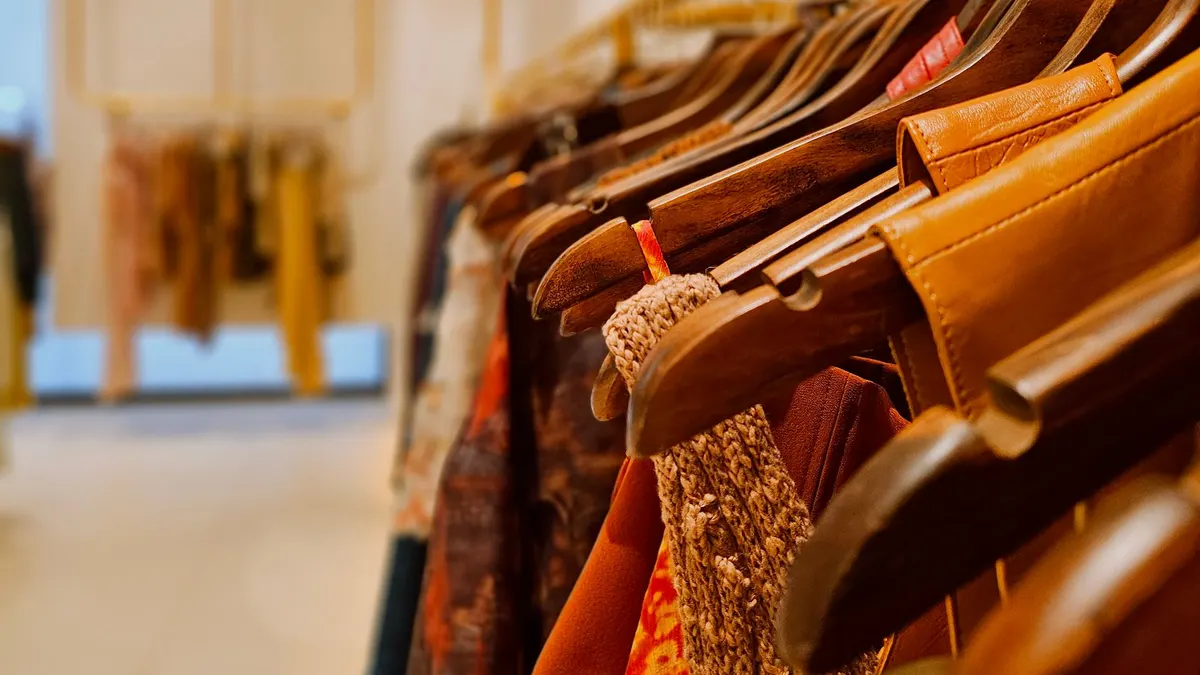
Cause-driven films often address subjects that are personal, complex or difficult to discuss. Their clothing should help viewers recognise a believable human situation without turning people into symbols. Wardrobe has a quiet role: it can establish everyday context, support an individual’s comfort and help a message remain clear. The most effective choices are often those that feel considered but do not call attention to themselves.
Begin with the purpose of the story
Before selecting garments, a stylist needs to understand what the film is communicating, who it is intended to reach and what tone the production requires. A health-awareness message may call for reassurance, openness or plain factual clarity. These aims affect colour, shape, condition and degree of formality. Clothing that suggests an ordinary day can make a scene feel accessible, while a more deliberate silhouette may create emotional distance or a heightened visual mood.
Wardrobe should not imply a diagnosis, income, occupation or personality unless the script and participants support that reading. Familiar details can make a character credible, but clichés can reduce a person to a shorthand. The distinction matters particularly in stories involving illness, care or vulnerability, where dignity and agency should remain visible.
Build authenticity through considered detail
Authenticity does not require every garment to be worn or styled without care. It comes from choices that make sense for the person, setting and activity shown. A sleeve that can be rolled up, shoes suited to a daily routine or layers appropriate to the room may contribute more than a conspicuous fashion statement. Texture and fit can also help clothing sit naturally on camera, especially during close, quiet scenes.
Participants may bring their own clothes, wear selected pieces or combine both approaches. Each option involves practical and personal considerations. A garment should be comfortable, allow movement and avoid making someone feel exposed or unlike themselves. If a visual change is proposed, its purpose should be explained and consent treated as part of the process, not as a last-minute formality.
Keep the message visually clear
Wardrobe needs to work alongside lighting, locations, props and camera choices. Strong patterns, reflective surfaces or colours close to the background can compete with faces and spoken information. A stylist may use restrained contrasts to separate a subject from the setting, while avoiding an appearance that feels overly polished for the story. Continuity also matters: small differences in layers, fastenings or garment condition can disrupt the sense of a connected moment.
These decisions should not make a health message feel solemn by default. Warmth, humour or ordinary activity may be appropriate, depending on the subject and direction. Clothing can support that range without signalling that one emotional response is expected from the viewer.
Work as part of the film crew
A stylist coordinates with the director, producer, cinematographer, art department and other crew members so that wardrobe fits the schedule and visual plan. This may include checking movement, microphone placement, temperature, scene transitions and how garments behave under lighting. Preparation helps, but a short film often changes as locations, timing or performance needs shift.
During filming, the stylist monitors continuity and makes adjustments between takes without interrupting the participant’s focus. Clear communication allows practical concerns to be raised discreetly and solutions to be agreed with the relevant crew. The aim is not to make clothing the subject. It is to create a credible visual setting in which people can speak, act and be seen with care, while the central message remains understandable.
More articles
 Campaigns
Building a Cohesive Colour Palette for Campaign Styling
A campaign palette connects product colours with wardrobe, props and set details, helping varied images share a clear seasonal mood.
- Campaigns
Styling a Spring and Summer Campaign for Children
Children’s campaign styling brings together easy movement, seasonally suitable fabrics and a coherent visual approach across a set of images.
 Editorial
How a Creative Team Plans a Fashion Editorial
A fashion editorial takes shape through shared references and practical planning. The photographer, set designer and stylist coordinate image, clothing and setting.