How a Creative Team Plans a Fashion Editorial
A fashion editorial takes shape through shared references and practical planning. The photographer, set designer and stylist coordinate image, clothing and setting.
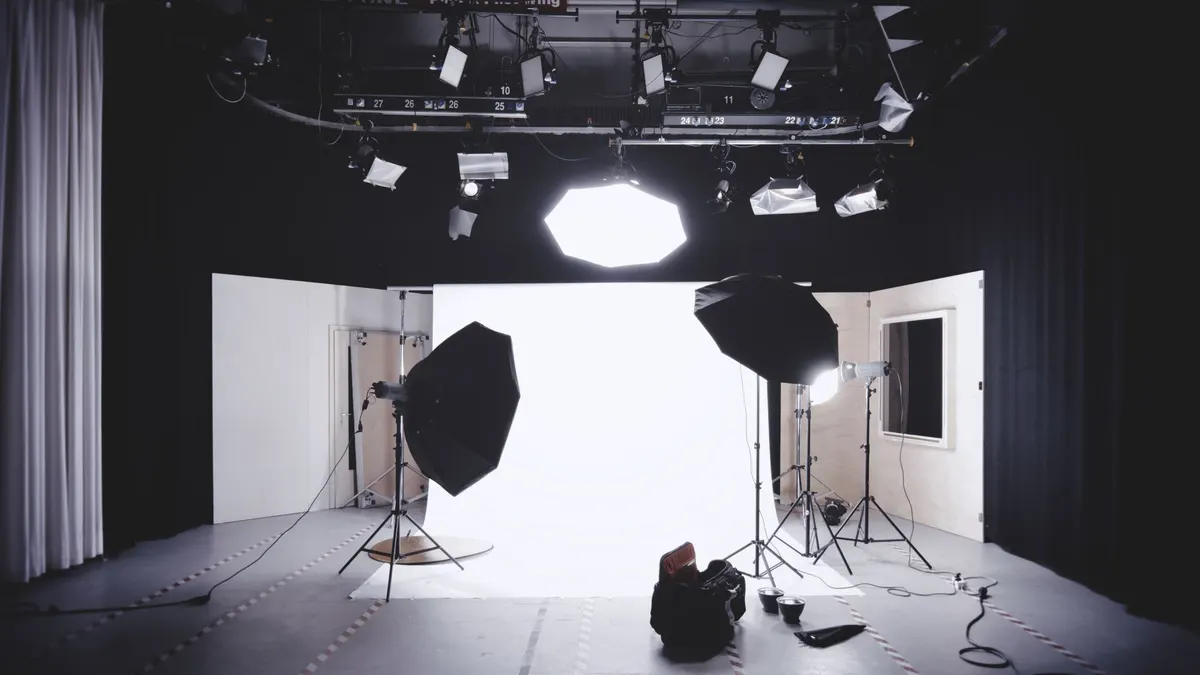
A fashion editorial is shaped by the exchange between the people responsible for its image, clothing and setting. A photographer considers framing, light and movement; a stylist develops the clothing and accessories; a set designer plans the environment around them. Their work overlaps, so a coherent result depends on discussing choices before the shoot rather than treating each role as a separate stage.
Sharing references and intentions
Early conversations usually begin with a broad idea, such as contrast, stillness or a particular relationship between clothing and space. Each creative may bring references that explain a different part of the idea: a photographer might focus on shadow and composition, while a stylist points to shape, texture or the way garments sit on the body. The set designer may respond with colours, materials or spatial arrangements.
References are useful when their purpose is clear. A picture can suggest a lighting quality without serving as a plan to copy, or indicate a mood without fixing the final colour palette. Discussing what each image contributes helps the team find common ground and identify differences early. It also leaves room for new solutions that suit the actual clothes, location and available materials.
Planning clothes and set together
Clothing and scenery affect one another. A pale garment may disappear against a light backdrop, while a structured outfit can compete with a busy arrangement of objects. The stylist and set designer can compare silhouettes, colours and surface qualities, then adjust the setting so that the clothes remain legible without making the scene feel disconnected.
Practical details belong in these discussions too. The team needs to consider how much space a look requires, whether a garment can move safely around props, and how a set will appear from the intended camera angles. Light can alter the appearance of fabric and painted surfaces, so the photographer's input may change decisions about both. A simple layout or visual board can help everyone check relationships before equipment and clothing arrive on set.
What a first collaboration looks like
When three creatives are working together for the first time, they are also learning how one another communicates and makes decisions. A short planning conversation can establish who is responsible for each choice, how changes will be shared and which elements are essential to the idea. This reduces uncertainty without requiring every detail to be settled in advance.
It is often helpful to begin with a manageable visual direction: a small number of looks, a defined setting and a clear approach to light. This gives the team a chance to test how its ideas work together. If a colour, prop or pose distracts from the central concept, the group can revise it while keeping the broader intention intact.
Keeping the image coherent
During the shoot, communication remains important. The photographer may notice that a garment needs a different angle; the stylist may refine a sleeve or accessory; the set designer may shift an object to open the frame. These adjustments work best when each person understands the shared aim and can explain how a change affects the whole image.
A strong collaboration does not require identical opinions. It requires enough shared language to weigh alternatives and make connected decisions. When clothing, setting and camera approach are planned as parts of one composition, the editorial can feel considered while still allowing space for discovery.
More articles
- Editorial
Creating a Character-Led Actor Portrait Editorial
A character-led portrait editorial connects an actor’s presence with considered styling, location and a visual sequence shaped for magazine pages.
 Editorial
How Independent Magazines Build Concept-Driven Fashion Editorials
A fashion editorial can turn an abstract idea into a visual language through considered materials, poses, settings and modest production choices.
 Editorial
How Sport and Fashion Meet in Editorial Styling
Editorial styling can bring sportswear and tailoring together, using athletic textures, considered accessories and movement to give a fashion story structure.