How Sport and Fashion Meet in Editorial Styling
Editorial styling can bring sportswear and tailoring together, using athletic textures, considered accessories and movement to give a fashion story structure.
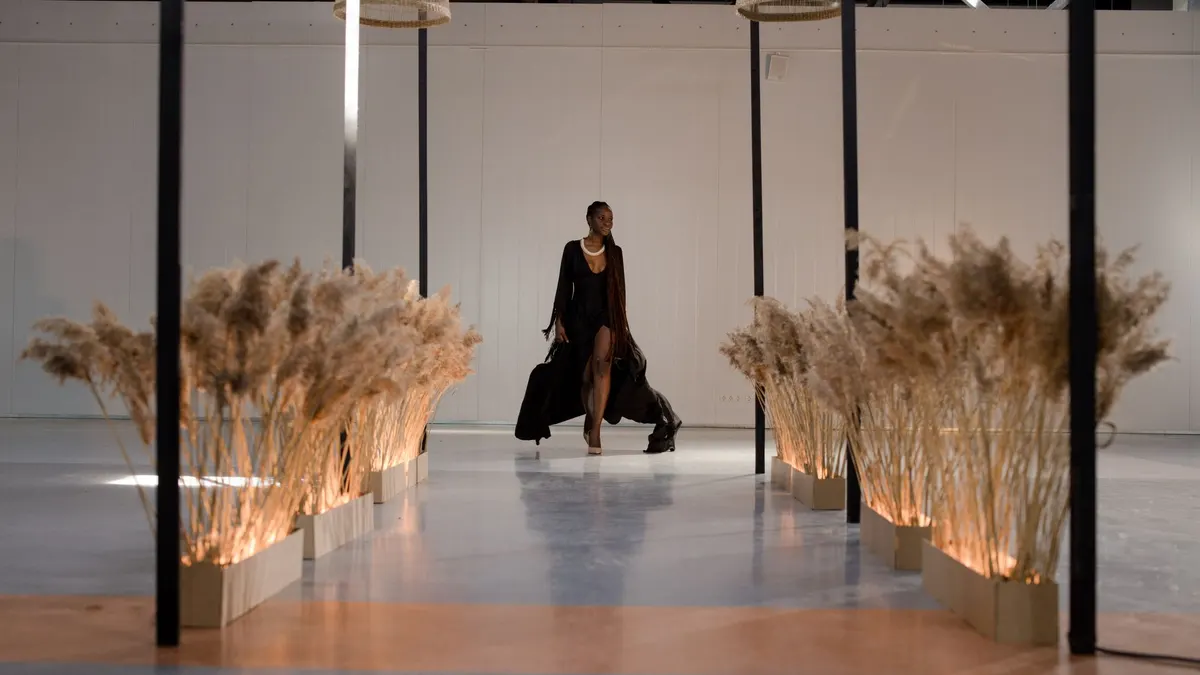
Fashion editorials inspired by major sporting events often draw on the visual energy of competition without presenting a match or race as their subject. Clothing becomes a way to explore speed, effort, preparation and spectatorship. Sportswear may sit beside precise tailoring, while accessories suggest the practical details of training or travel. The result depends on deliberate contrasts rather than simply placing athletic garments together.
Building a contrast of materials
Sports fabrics bring their own visual character. Mesh, lightweight nylon, ribbed jersey and technical knits can appear smooth, porous, glossy or softly structured. Tailored wool, crisp cotton and leather offer different weights and surfaces. Pairing these materials creates tension: a streamlined top beneath a structured jacket can feel both relaxed and composed, while tailored trousers with a track-inspired layer shift the balance towards informality.
Colour can connect otherwise different pieces. A restrained palette may let texture take the lead, whereas a bright accent can echo the visibility of sporting kit without copying a uniform. The styling needs a clear point of emphasis. If both colour and shape compete for attention, the clothes may seem assembled at random rather than arranged as part of a considered story.
Using tailoring and accessories
Tailoring gives athletic pieces a more formal frame. A blazer worn over a simple sports top, or a clean-cut coat combined with relaxed trousers, can make the relationship between discipline and ease immediately visible. Proportion matters: a generous outer layer may balance a close-fitting garment, while a narrow silhouette can make technical details feel sharper. The combination should allow the clothes to retain their individual character.
Accessories help indicate how a look might be used. A compact bag, a cap, a belt or practical footwear can suggest movement and preparation. More refined accessories introduce a different register, making the styling feel less like equipment and more like an editorial interpretation. Each addition should support the main idea. Too many literal sporting cues can turn a subtle reference into costume.
Organising a story around movement
Movement can shape an editorial from its first image to its last. A sequence might begin with stillness, move through gestures of dressing or warming up, then build towards running, turning or reaching. Changes in pose give the viewer a sense of progression, while recurring colours or garments hold the images together. A pause or close detail can provide contrast before the sequence gathers energy again.
Clothing must be considered in motion as well as at rest. A coat opening during a stride, a loose sleeve lifting or fabric folding at the knee reveals qualities that a static pose may conceal. Styling choices should permit these gestures rather than restrict them. The setting can contribute through open space, strong lines or surfaces associated with training, but it need not reproduce a sports venue literally.
Keeping the visual direction coherent
A successful fashion story balances reference and independence. Sporting details establish a point of departure; tailoring, accessories, colour and pacing turn that reference into a broader visual language. Consistent choices in silhouette and atmosphere help the images feel related, even when individual outfits differ. By treating movement as part of the styling, an editorial can suggest the intensity of sport while remaining focused on clothing, form and the way garments behave.
More articles
 Editorial
Creating a Character-Led Actor Portrait Editorial
A character-led portrait editorial connects an actor’s presence with considered styling, location and a visual sequence shaped for magazine pages.
- Editorial
How a Creative Team Plans a Fashion Editorial
A fashion editorial takes shape through shared references and practical planning. The photographer, set designer and stylist coordinate image, clothing and setting.
 Editorial
How Independent Magazines Build Concept-Driven Fashion Editorials
A fashion editorial can turn an abstract idea into a visual language through considered materials, poses, settings and modest production choices.