How Independent Magazines Build Concept-Driven Fashion Editorials
A fashion editorial can turn an abstract idea into a visual language through considered materials, poses, settings and modest production choices.
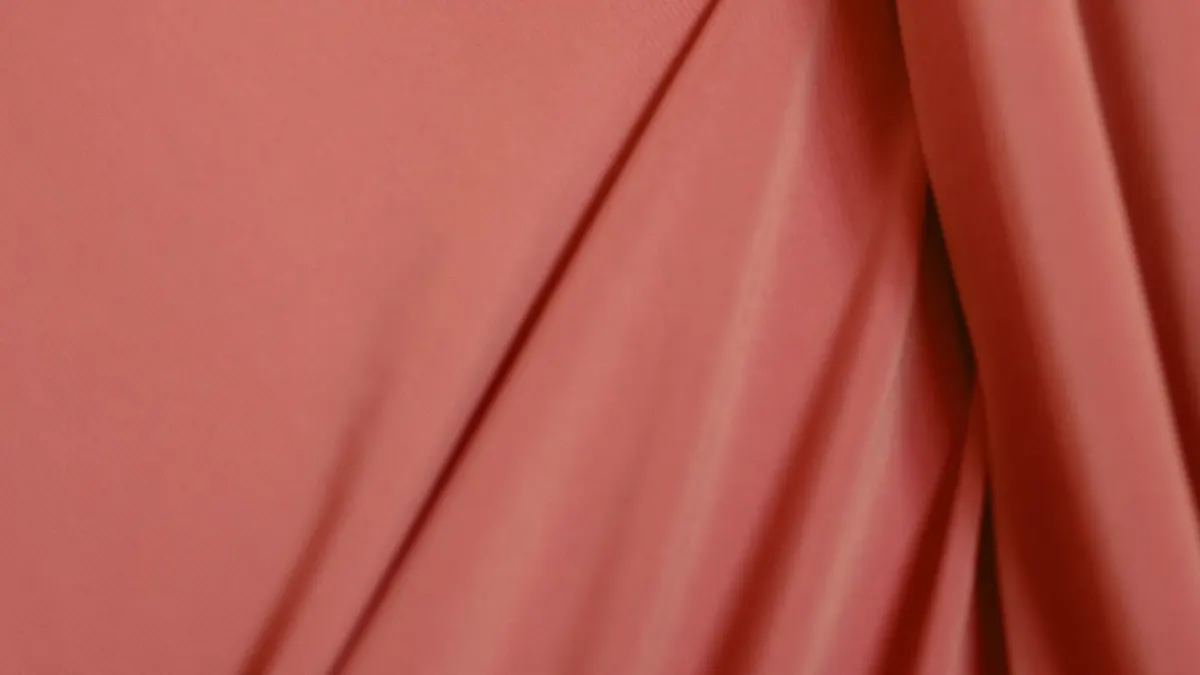
A concept-driven fashion editorial begins with an idea rather than a list of garments. A theme such as fragility can guide the choice of fabric, the way a subject moves, the quality of light and the objects placed in the frame. The aim is not simply to illustrate a word, but to create a sequence of images in which styling and atmosphere reinforce one another.
Turning an abstract theme into visual choices
Abstract ideas become easier to work with when they are divided into qualities that can be seen or felt. Fragility might suggest transparency, looseness, delicate construction or a sense of imbalance. These associations are starting points, not fixed rules. A team can decide whether the theme should feel tender, uneasy, restrained or resilient, then use that interpretation to narrow its visual choices.
A short reference board can bring together colours, surfaces, shapes and lighting conditions. For instance, pale tones and soft focus may suggest delicacy, while a harsh shadow or a rigid silhouette can introduce tension. Keeping a small number of visual principles in view helps an editorial feel coherent without requiring every image to repeat the same composition.
Using fabric, texture and pose
Clothing carries meaning through its movement as well as its appearance. Fine knits, sheer layers, worn edges or loosely fastened pieces can imply vulnerability. Crisp tailoring, reinforced seams or a structured coat may create contrast, suggesting protection or resistance. The styling should remain wearable and purposeful; a garment need not be damaged or delicate to express a theme.
Pose gives those material choices a human context. A turned shoulder, a hand held close to the body or a careful step can convey hesitation. More open gestures may suggest release or recovery. Small adjustments in posture often work better than exaggerated acting, particularly when the editorial is intended to feel observational. Movement in fabric, hair or a loose sleeve can add energy without crowding the frame.
Making a set with limited resources
Independent publications often develop visual ideas within tight practical limits. A set does not need elaborate construction to feel specific. A plain wall, a chair, a length of translucent material or a carefully placed reflective surface can establish a clear mood. Reusing ordinary objects in an unexpected way can also make the setting feel connected to the concept rather than merely inexpensive.
Planning around available daylight, a compact location and a small selection of props can reduce logistical pressure. A single backdrop can serve several scenes if the framing, styling or position of the subject changes. Attention to small details, such as a fold in a cloth or the distance between a figure and a wall, helps create depth and intention.
Building a readable visual sequence
An editorial is more than a collection of individually striking pictures. The order of images can move from concealment to exposure, stillness to movement, or tension to ease. Repeated colours, textures or shapes create continuity, while a deliberate change in scale or lighting prevents the sequence from becoming predictable.
Before production, the team can check whether each planned image contributes something distinct to the theme. This keeps the story focused and makes limited resources work harder. A clear concept does not dictate every detail; it provides a framework for making choices, so that clothing, gesture and setting feel like parts of the same visual argument.
More articles
 Editorial
Creating a Character-Led Actor Portrait Editorial
A character-led portrait editorial connects an actor’s presence with considered styling, location and a visual sequence shaped for magazine pages.
- Editorial
How a Creative Team Plans a Fashion Editorial
A fashion editorial takes shape through shared references and practical planning. The photographer, set designer and stylist coordinate image, clothing and setting.
 Editorial
How Sport and Fashion Meet in Editorial Styling
Editorial styling can bring sportswear and tailoring together, using athletic textures, considered accessories and movement to give a fashion story structure.