Creating a Character-Led Actor Portrait Editorial
A character-led portrait editorial connects an actor’s presence with considered styling, location and a visual sequence shaped for magazine pages.
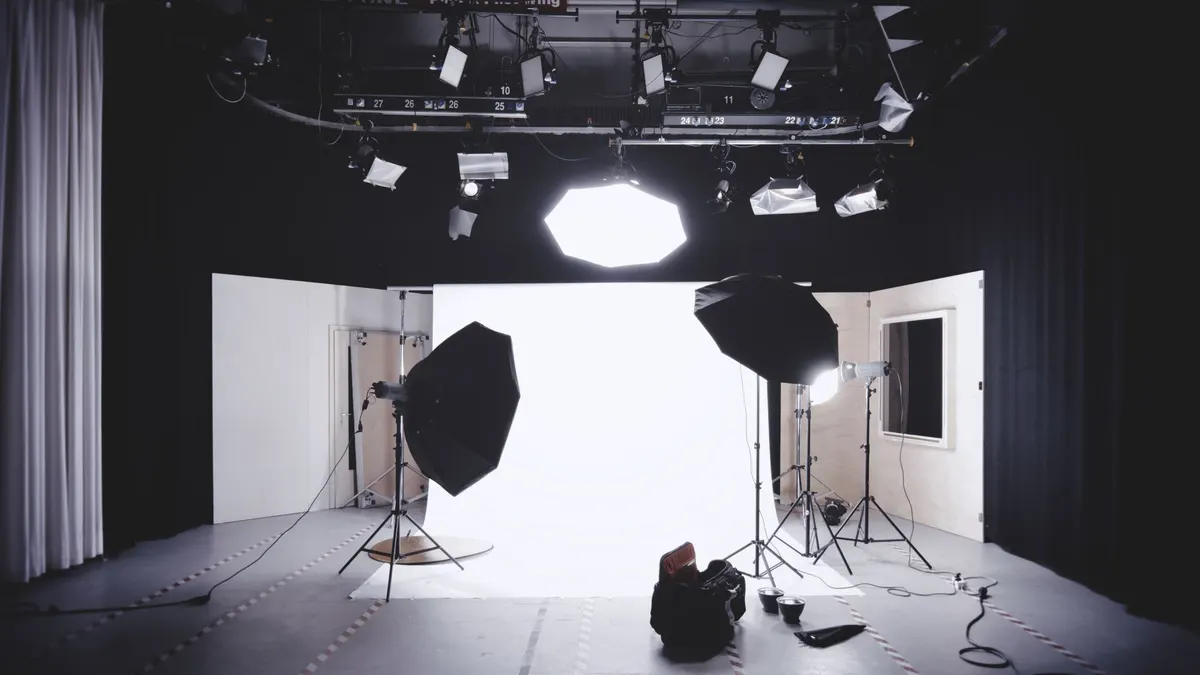
An actor portrait editorial is more than a set of likenesses. It uses clothing, setting, gesture and light to suggest a point of view, while keeping the person at its centre. For a lifestyle magazine, the aim is often to make images feel approachable and expressive, with enough variety to carry a sequence across printed or digital pages.
Finding the central idea
Planning begins with a clear editorial premise. A stylist and photographer can consider the actor’s public presence, the tone of an interview and the mood of the intended feature, then translate those elements into visual choices. The concept might favour quiet observation, urban energy or a more composed, cinematic atmosphere. It should guide the shoot without turning the person into a fictional character or requiring a rigid performance.
Conversation helps establish what feels natural. Comfort, movement and personal preferences matter as much as visual references. A useful concept leaves room for unexpected expressions and small gestures, since these often make a portrait feel individual. The team can also identify images needed for the page layout, such as a close portrait, a wider environmental frame and a scene with room for accompanying text.
Choosing a city location
A European city offers varied settings within a compact area: a quiet street, a café interior, a courtyard or the edge of a public square. Each location contributes a different texture and social atmosphere. The choice should support the story rather than function as a recognisable backdrop. An understated façade may lend calm, while passing movement or layered architecture can give a frame greater depth.
Practical considerations shape the location plan. Available light changes between open streets and shaded interiors, and public spaces bring noise, passers-by and limits on where a small crew can work. A route with nearby alternatives helps the shoot adapt if a setting proves crowded or the weather shifts. The photographer can then keep the visual thread consistent without forcing every frame into the same environment.
Building a considered wardrobe
Clothing connects the person to the editorial idea. The stylist may prepare several looks with different degrees of formality, choosing silhouettes and colours that work with both the actor’s manner and the locations. A relaxed outfit can make a street portrait feel candid; a structured jacket may bring clarity to a seated frame. The strongest choices allow movement, sit comfortably and remain recognisable as clothes rather than costume.
Wardrobe also needs to read well in the publication’s sequence. Contrasting textures or tones can distinguish one section from another, while a restrained palette helps separate the subject from busy surroundings. Small details, including collars, sleeves and accessories, become important in close crops. Fittings and simple adjustments before shooting reduce distractions and make it easier to move between settings.
Shaping the photographic sequence
During the shoot, direction can remain light and specific: a change of stance, a pause at a doorway or a turn towards the window. The photographer watches for moments that reveal character without demanding an exaggerated pose. A mix of portrait distances gives editors flexibility, and changes in gaze or posture can create rhythm even when the wardrobe stays the same.
Selection is part of the storytelling. Images should vary in scale and mood, but still feel as though they belong together. A strong opening portrait can establish presence; environmental frames add context; quieter details provide transitions between pages. In this way, styling and location serve the person rather than compete with them, producing an editorial whose visual identity remains coherent from first frame to last.
More articles
- Editorial
How a Creative Team Plans a Fashion Editorial
A fashion editorial takes shape through shared references and practical planning. The photographer, set designer and stylist coordinate image, clothing and setting.
 Editorial
How Independent Magazines Build Concept-Driven Fashion Editorials
A fashion editorial can turn an abstract idea into a visual language through considered materials, poses, settings and modest production choices.
 Editorial
How Sport and Fashion Meet in Editorial Styling
Editorial styling can bring sportswear and tailoring together, using athletic textures, considered accessories and movement to give a fashion story structure.