AI Fashion Weeks and Sustainable Collection Planning
AI can help plan collections around available fabrics and present concepts digitally, while physical garments remain essential for testing and wear.
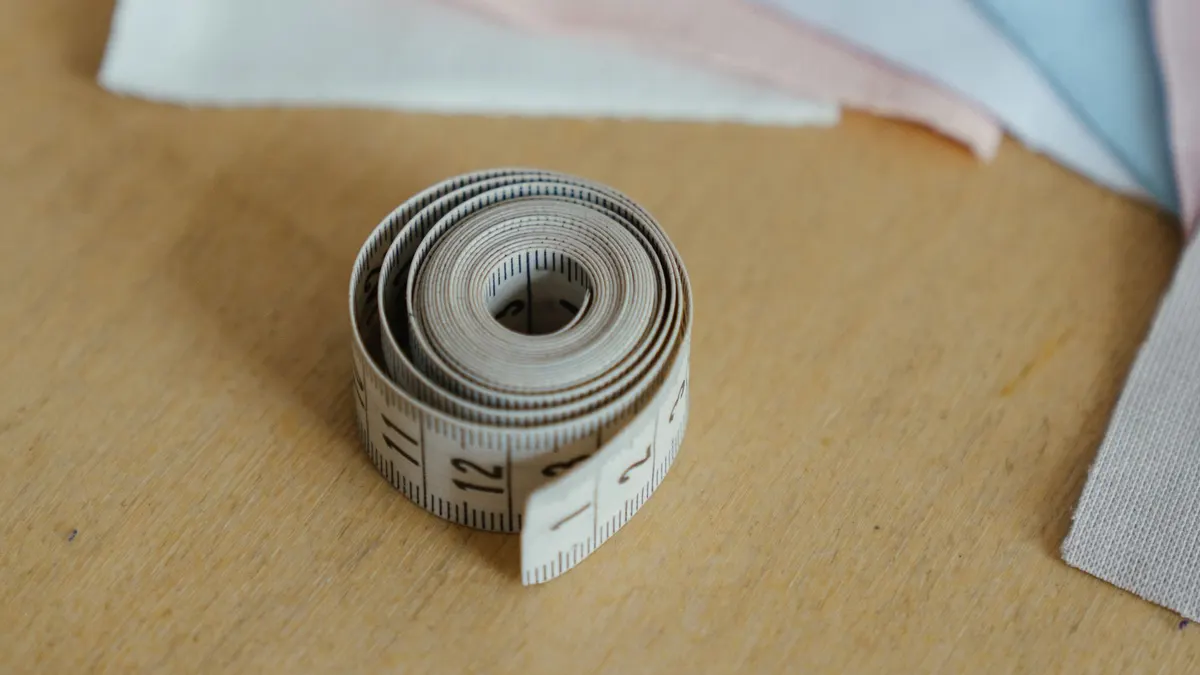
Artificial intelligence can support fashion planning by helping teams explore designs in relation to materials already available. This is useful when a collection is built around leftover fabric, unused stock or other limited supplies. Digital tools can also make it easier to present concepts before every garment has been made. They do not, however, remove the need to understand cloth, construction and fit in the physical world.
Designing around available materials
Conventional planning often begins with a proposed range and estimates the materials needed to produce it. A surplus-led approach reverses that order: designers first examine the cloth on hand, then develop garments that suit its quantity, width, weight, colour and condition. AI tools may help organise material information or generate variations of a design that use a particular fabric more efficiently.
This can encourage practical choices, such as simplifying a pattern to fit narrow lengths, assigning small remnants to trims, or repeating a fabric across several pieces. It may also reveal that a concept depends on more material than exists. Such constraints can reduce the temptation to order fresh cloth simply to preserve an initial design idea. The outcome depends on careful human decisions: inaccurate material records or unsuitable suggestions can still lead to waste.
Limiting waste and overproduction
Using existing stock is only one part of responsible production. Cutting layouts, seam allowances, pattern scale and the intended lifespan of a garment all affect how much material is discarded. Digital simulation can help compare shapes and combinations before samples are cut, but physical tests are needed to check drape, stretch, transparency and comfort.
Overproduction is a separate concern. A collection that uses surplus cloth can still create excess garments if demand is guessed poorly. Digital previews may help communicate a proposed range before quantities are decided, giving buyers and production teams a clearer basis for planning. They cannot guarantee accurate demand, and a virtual image should not be treated as proof that a garment is ready to manufacture.
What a digital-first showcase involves
An AI-focused fashion week or digital-first showcase can present collections through rendered outfits, moving images, virtual runways or interactive displays. These formats can allow an audience to examine silhouettes and styling without assembling every look for a physical event. They may be especially useful at the concept stage, when a designer wants to compare several directions or show how a collection is intended to work together.
For clarity, digital presentations should distinguish proposed garments from completed pieces. Rendering can make fabric appear smoother, heavier or more luminous than it is. Colour may also shift between a screen and the finished cloth. Notes about material, construction and production status help viewers understand what the image does and does not represent.
Why real garments still matter
A digital collection ultimately needs a relationship with real materials if it is intended to become wearable clothing. A physical sample shows how a pattern behaves on a body, where seams create tension and whether closures are practical. It also reveals details that images can conceal, including uneven surfaces, finishing quality and movement while walking.
Digital tools are therefore best understood as part of a wider design process rather than a substitute for it. They can help organise options, test visual ideas and communicate plans, while fabric handling, fitting and production knowledge determine whether those plans work. The most considered collection aligns its images with the actual resources, garments and making processes behind them.
More articles
 AI imagery
AI-Generated Jewellery Concepts in Everyday Scenes
Generative jewellery images bring gemstones into everyday scenes. Scale, light and careful styling help the accessories remain convincing.
 AI imagery
Building an AI Fashion Editorial from Research to Image
An AI fashion editorial can translate trend research into a visual sequence, while careful selection and retouching preserve a clear creative point of view.
- AI imagery
Planning an AI-Enhanced Fashion Film
An underwater-inspired fashion film can combine practical effects with generated imagery. Planning keeps the mood, garments and story coherent.