Planning an AI-Enhanced Fashion Film
An underwater-inspired fashion film can combine practical effects with generated imagery. Planning keeps the mood, garments and story coherent.
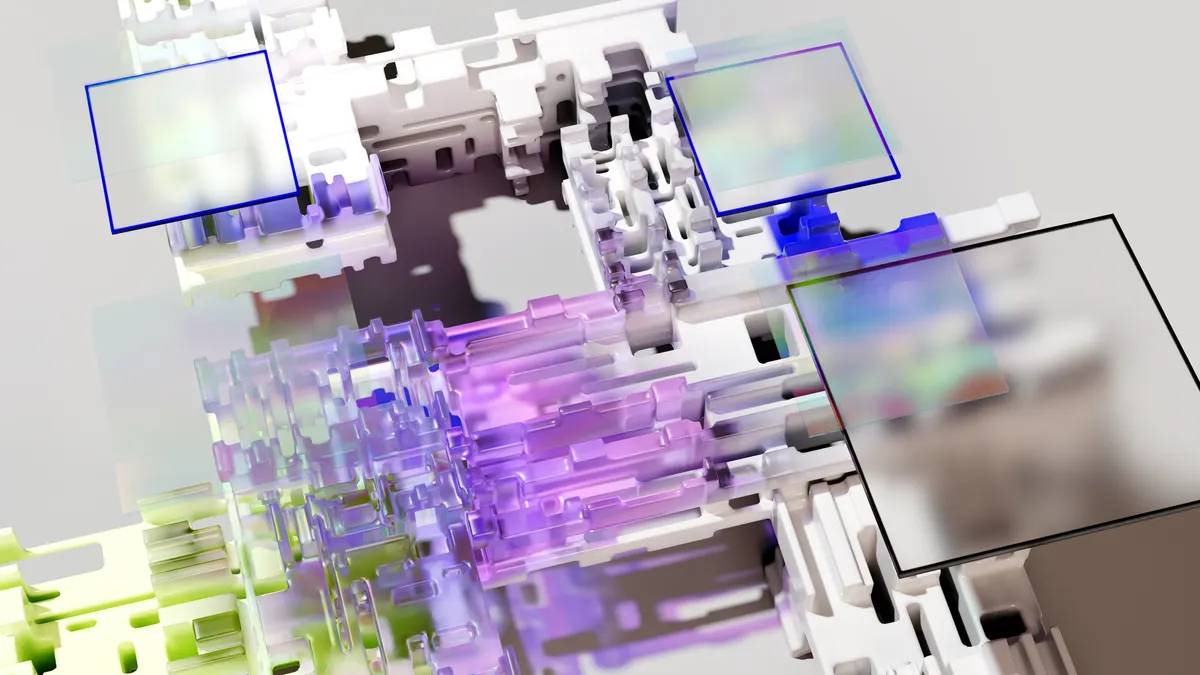
An AI-enhanced fashion film can combine filmed material, practical effects and generated imagery to create a visual world that would be difficult to capture in one location. The result still depends on clear choices about clothing, movement, light and narrative. Generative tools are most useful when they support a defined visual idea rather than dictate the film’s direction.
Building an underwater visual language
An underwater-inspired story need not be filmed beneath the surface. Its atmosphere can be suggested through slow movement, wavering light, suspended fabric and a restricted palette. Before production, a visual plan can set out how these elements work together, including the appearance of the setting, the way garments respond to motion and the pace of each scene.
Reference boards and rough sequences help translate an abstract mood into practical decisions. A flowing sleeve might echo the movement of sea plants, while a cool light passing across a wall can suggest ripples. Repeated motifs, such as drifting particles or a circular pool of light, provide continuity between shots even when they are created through different methods.
Combining practical and generated effects
Practical effects give performers and fabric something real to respond to. Fans, translucent materials, moving light and controlled airflow can produce convincing movement on set. Water is not always necessary: wet-look surfaces, reflective panels and carefully placed haze may suggest a submerged environment while keeping clothing, equipment and movement manageable.
Generative imagery can extend a filmed scene with imagined backgrounds, floating forms or transitions between locations. It may also help test compositions before a shoot. To make mixed material feel coherent, the production plan should define camera movement, perspective, contrast and colour. Generated details that ignore the direction of light or the scale of a garment can distract from the styling.
Consistency requires review at each stage. A generated background may need adjustment to match the subject’s outline, while a practical effect may need restraint if it competes with the clothing. Keeping key visual decisions under human direction helps preserve the film’s intended tone and makes revisions more manageable.
Giving garments a role in the story
Fashion should be more than decoration in a short film. A change in silhouette, texture or colour can signal a shift in mood or movement. For instance, a structured garment might appear against still surroundings before a later scene introduces softer fabric and drifting motion. Such contrasts give the viewer a reason to notice the styling as part of the narrative.
Short formats benefit from a simple progression: establish the visual world, introduce a change and end on an image that leaves an impression. A detailed plot is not essential. Repeated shapes, a change of pace or a gradual alteration in light can carry the viewer through the film without explanatory text.
What short-form festivals may consider
Festival selectors commonly assess whether a film feels complete, communicates its idea clearly and uses its visual choices with purpose. In a short format, economy matters: each scene should develop the atmosphere, styling or movement rather than repeat information. Technical polish can help, but originality of approach and a coherent point of view may matter just as much.
For work using generative imagery, clarity about the relationship between filmed and generated elements can strengthen the presentation. The central test remains whether those elements serve the film’s concept. A concise underwater-inspired piece can feel convincing when practical effects, generated details and fashion styling belong to the same visual logic.
More articles
 AI imagery
AI Fashion Weeks and Sustainable Collection Planning
AI can help plan collections around available fabrics and present concepts digitally, while physical garments remain essential for testing and wear.
 AI imagery
AI-Generated Jewellery Concepts in Everyday Scenes
Generative jewellery images bring gemstones into everyday scenes. Scale, light and careful styling help the accessories remain convincing.
- AI imagery
Building an AI Fashion Editorial from Research to Image
An AI fashion editorial can translate trend research into a visual sequence, while careful selection and retouching preserve a clear creative point of view.