Building an AI Fashion Editorial from Research to Image
An AI fashion editorial can translate trend research into a visual sequence, while careful selection and retouching preserve a clear creative point of view.
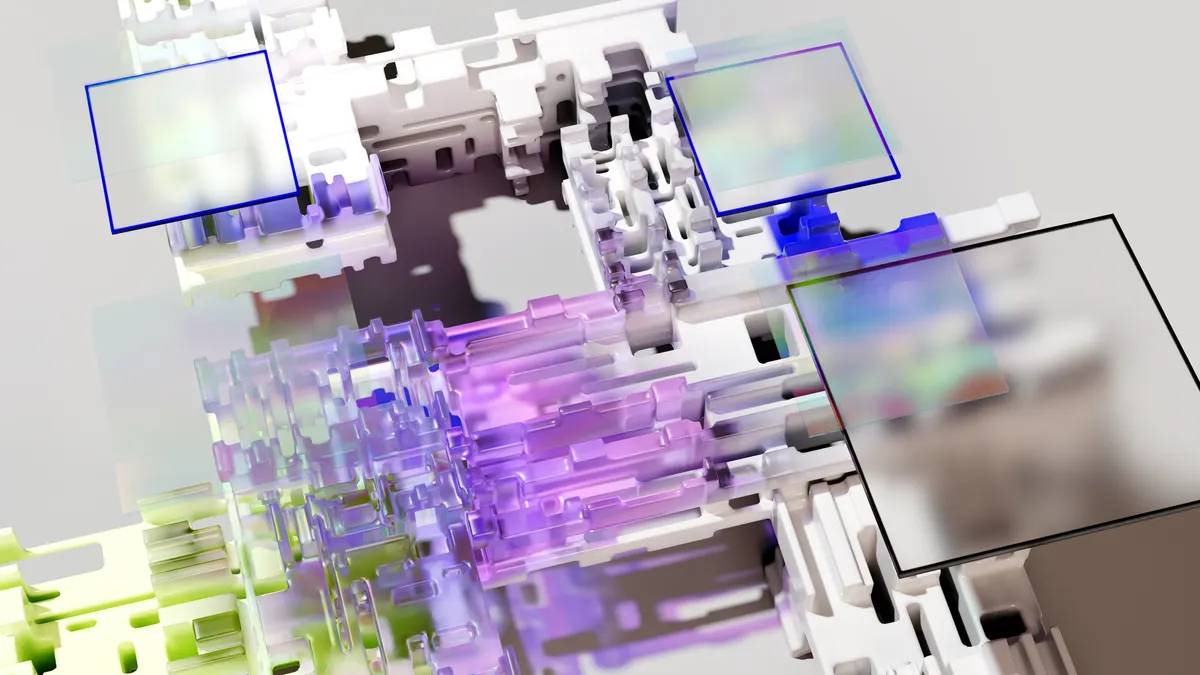
An AI fashion editorial begins with an idea about clothing and culture, not with a prompt. Trend research provides material to question: recurring colours, silhouettes, fabrics and styling choices can suggest where a visual conversation is taking place. The purpose is not to reproduce a report as a set of pictures, but to interpret its themes through a coherent editorial direction.
Reading trends with a critical eye
Seasonal reports often group observations into broad themes. A reader can note which details appear repeatedly and which seem to sit in tension with one another. For instance, a report might point towards soft tailoring and practical outerwear, alongside a renewed interest in delicate surface decoration. Those ideas could become a study of contrasts rather than a checklist of garments.
Research should also distinguish between a trend and the visual shorthand used to represent it. A colour may be prominent without defining the whole mood; a silhouette may carry different meanings depending on its setting and styling. Looking at materials, proportion, movement and context helps turn general observations into choices that can be communicated to an image generator.
Turning research into an image brief
A useful brief sets boundaries while leaving room for discovery. It can describe the editorial's central question, intended mood, styling principles, composition and relationship between subject and surroundings. Specific instructions about garment structure, fabric behaviour, lighting and camera distance are generally more actionable than a loose request for a fashionable image.
Consistency matters across a sequence. Repeating a small set of visual rules can make separate images feel related: a restricted palette, a particular quality of light or a consistent approach to framing may provide continuity. At the same time, each frame needs a distinct role, such as introducing a silhouette, emphasising texture or creating a pause in the visual rhythm.
Selecting generated pictures
Generation is often exploratory. Variations may reveal unexpected combinations, but novelty alone does not make an image useful. Selection involves checking whether a picture supports the brief, reads clearly at its intended scale and sits comfortably beside the other images. A visually striking result may still weaken the editorial if its styling, mood or details conflict with the wider direction.
Review should include careful attention to garment construction, hands, facial features, accessories and the way fabric meets the body. Image generators can create inconsistencies that look plausible at a glance but become distracting on closer inspection. The chosen pictures should be assessed as editorial material, not merely as individual outputs.
Retouching and creative freedom
Retouching can correct visual distractions, refine tonal relationships and help images form a coherent sequence. It should not obscure important inconsistencies or imply a level of physical reality that the image cannot support. Decisions about what to alter, preserve or disclose are part of the creative process, especially when generated imagery resembles documentary fashion photography.
Creative freedom is not simply the ability to produce any image. It also involves making deliberate choices about what fashion is being imagined, whose perspective shapes the image and which conventions are being challenged. Trend research offers a starting point; briefing, selection and editing turn that material into an editorial argument. The final sequence is strongest when its visual decisions remain legible as choices rather than passing themselves off as neutral reflections of fashion.
More articles
 AI imagery
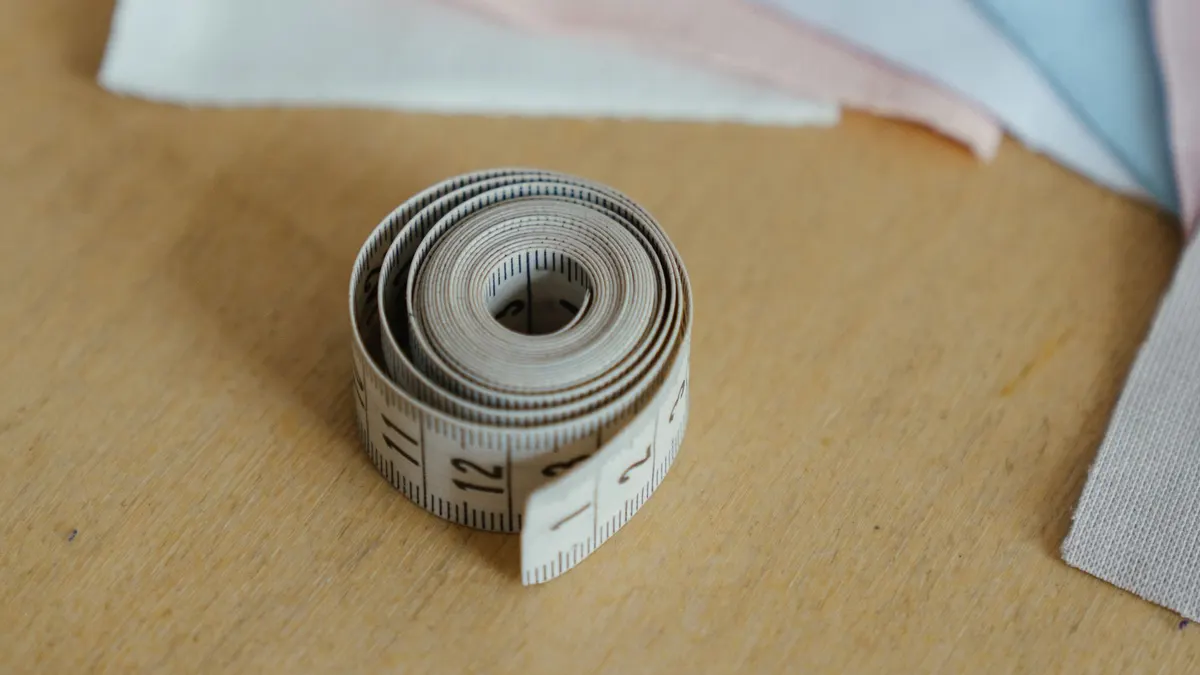
AI Fashion Weeks and Sustainable Collection Planning
AI can help plan collections around available fabrics and present concepts digitally, while physical garments remain essential for testing and wear.
 AI imagery
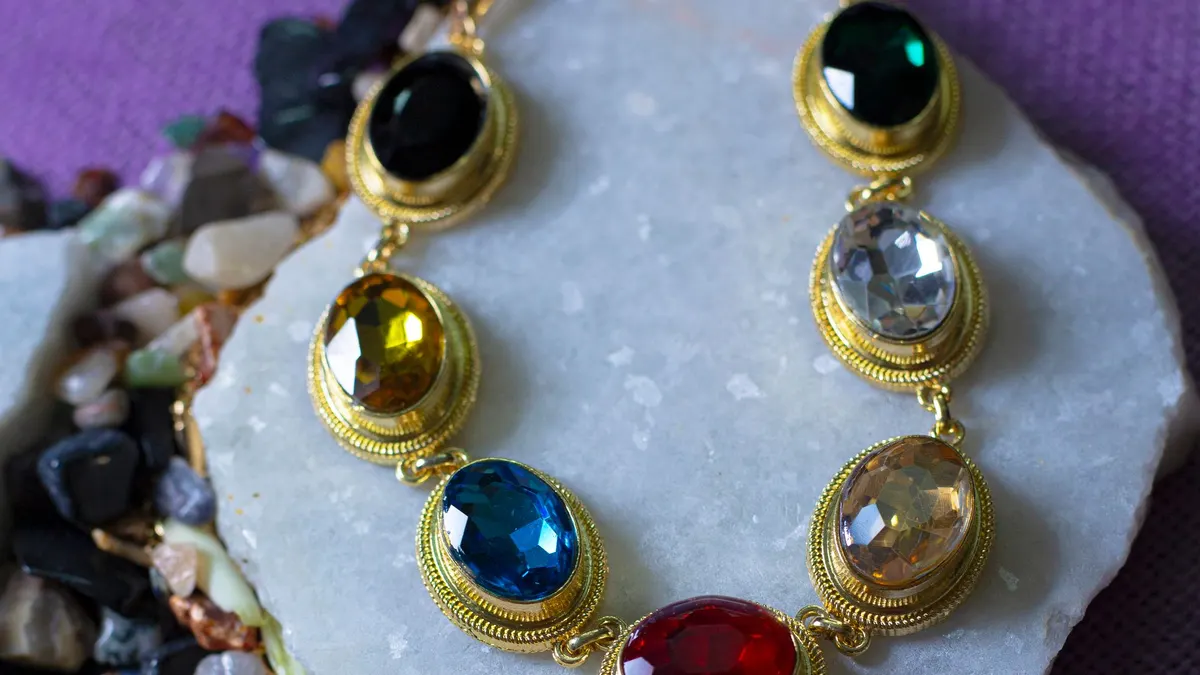
AI-Generated Jewellery Concepts in Everyday Scenes
Generative jewellery images bring gemstones into everyday scenes. Scale, light and careful styling help the accessories remain convincing.
- AI imagery
Planning an AI-Enhanced Fashion Film
An underwater-inspired fashion film can combine practical effects with generated imagery. Planning keeps the mood, garments and story coherent.