Styling for Film Festival Appearances
Festival looks balance clothing, accessories and footwear with fitting schedules, travel plans and the demands of red-carpet photography.
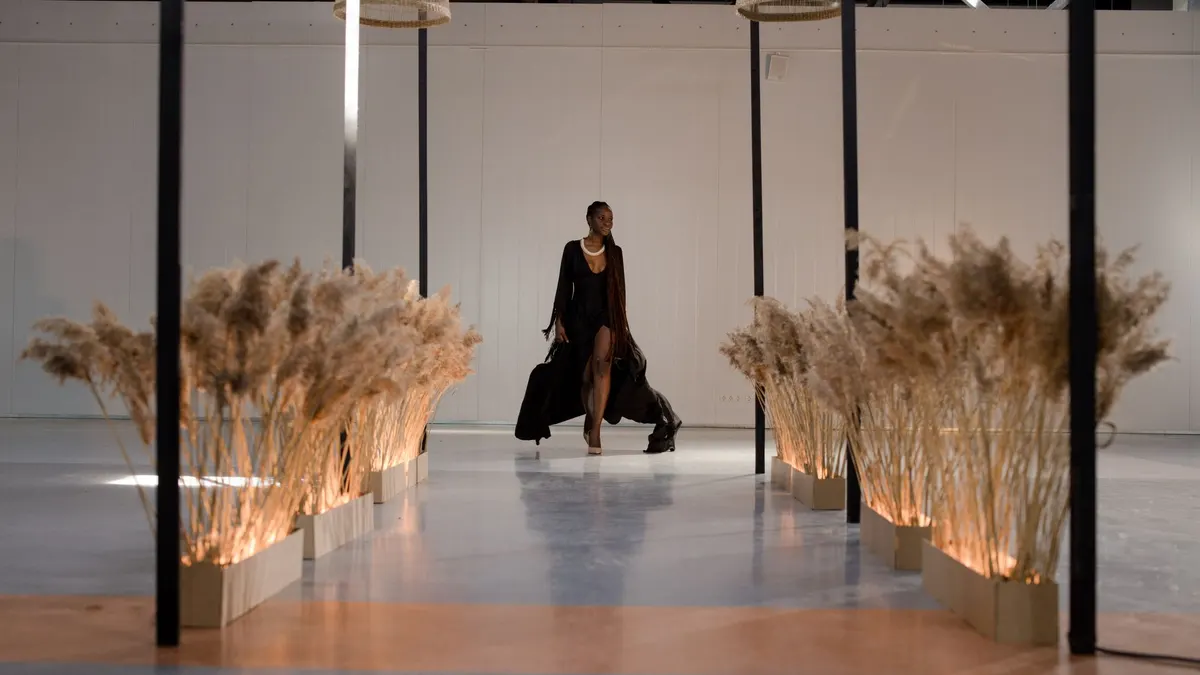
A film festival appearance is usually one part of a packed schedule rather than an isolated event. Styling for a festival week involves planning several looks, coordinating garments and accessories, and allowing enough time for fittings and changes. Each outfit needs to suit its occasion while remaining practical for travel, long waits and repeated photography.
Planning a week of looks
The starting point is a schedule of screenings, interviews, receptions and formal arrivals. A look for a daytime conversation may call for a different level of formality from an evening red carpet. The plan also considers the sequence of appearances: wearing similar shapes or colours repeatedly may be intentional, but a varied wardrobe can help each occasion feel distinct.
Clothing is chosen alongside footwear, jewellery, bags and other finishing details. A strong focal point, such as a sculptural earring or an unusual neckline, can guide the rest of the outfit. Accessories should complement the clothing without creating unnecessary complications during movement or close-up photography. Shoes need to work with the garment’s length and allow the wearer to stand and walk comfortably.
Fittings and adjustments
Fittings check more than whether a garment closes. They reveal how fabric falls when the wearer sits, walks, turns and raises an arm. Hem lengths, sleeve positions and the placement of fastenings can all affect how an outfit looks in photographs. Small alterations may improve proportion, prevent slipping or reduce the chance of fabric catching underfoot.
Trying the complete look together is important. A dress may sit differently with its intended shoes, while a jacket can change the balance of an outfit once accessories are added. Practical tests, such as walking up steps or sitting in a car, can expose problems that are difficult to spot during a static fitting.
Red-carpet considerations
Red-carpet styling must account for cameras positioned at different heights and angles. A garment’s shape, colour and texture can read differently under bright lighting or against a backdrop. Clear lines and well-considered proportions help a look remain legible in both full-length photographs and closer portraits. Reflective surfaces and fine details may also draw attention, so their placement matters.
The outfit should still feel natural to wear. A person may need to pause, turn, greet others or move through a crowded area while photographers take pictures. Clothing that restricts posture can make those moments look uncomfortable. The aim is to prepare for common poses without making the wearer seem fixed in one position.
Logistics and backup options
Festival schedules can change, and garments may travel between locations. Styling plans therefore include packing, garment care, dressing time and a way to keep clothing in good condition. Each look can be recorded with its accessories and footwear so that the right pieces are easy to assemble when several appearances are close together.
A backup may be a second outfit or a practical replacement for a vulnerable element, such as footwear or a fastening. It should suit the same event and work with available accessories. Planning alternatives reduces last-minute uncertainty while leaving room to adjust a look if timing, weather or venue conditions change.
More articles
 Styling for public figures
Styling Digital Creators for Fashion Magazines
Magazine styling for digital creators balances editorial fashion with a recognisable online image, while considering how a large audience may read the page.
 Styling for public figures
How an Assistant Stylist Supports a Magazine Cover Shoot
An assistant stylist helps a cover shoot run smoothly, from organising borrowed garments to making quick adjustments on set and managing returns.
 Styling for public figures
Menswear Styling for Portrait Photography
Menswear portrait styling balances fit, layers and accessories with the subject’s character and the photographer’s approach to light.