How an Assistant Stylist Supports a Magazine Cover Shoot
An assistant stylist helps a cover shoot run smoothly, from organising borrowed garments to making quick adjustments on set and managing returns.
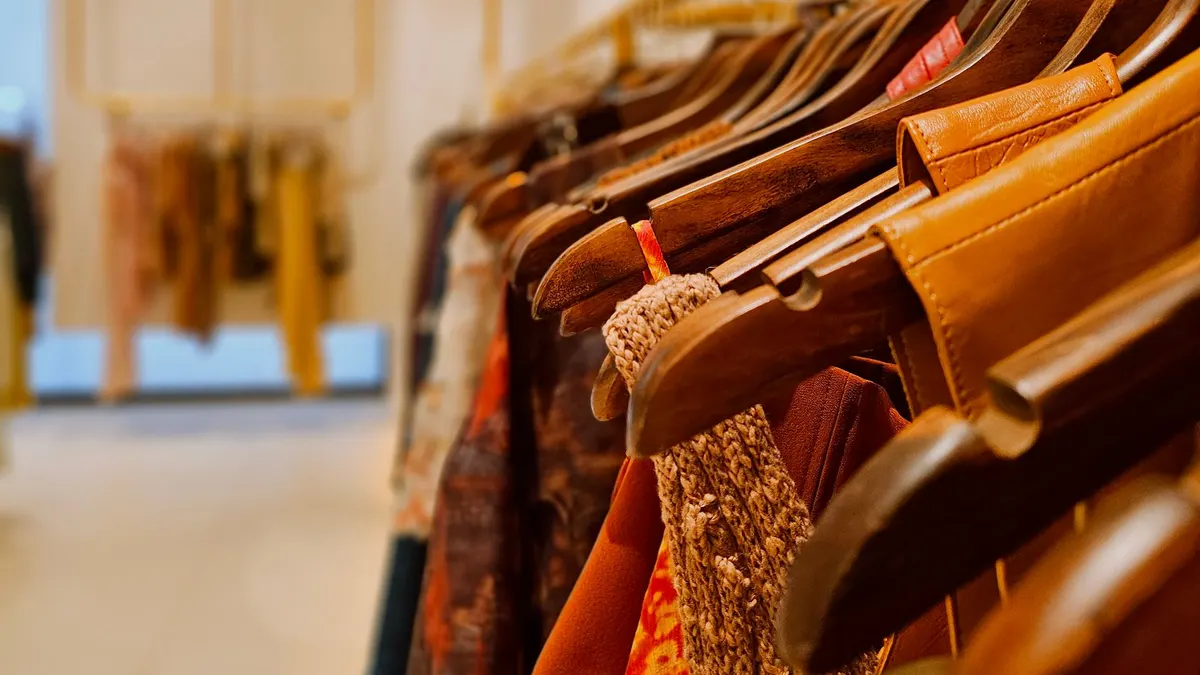
A magazine cover shoot brings clothing, photography, grooming and production together under tight practical constraints. The lead stylist shapes the visual direction and selects the looks, while an assistant helps turn that plan into a workable sequence. The role combines organisation, garment care and communication, with decisions often changing as the shoot develops.
Preparing and collecting garments
Before a shoot, the assistant may help identify suitable pieces and request them from showrooms or other clothing suppliers. A pull is a temporary loan arranged for consideration or use in a shoot. Each item needs a record of its description, size, condition, source and agreed return date. Clear notes help distinguish similar garments and make it easier to answer questions about a missing accessory or damaged fastening.
At collection, clothing is checked against the paperwork. The assistant can note existing marks, loose buttons or other faults, then pack each piece carefully for transport. Garments should be separated where fabrics or finishes could snag, transfer colour or crease one another. Accessories, shoes and small components need their own labelled storage so that they remain with the intended look.
Preparing looks before the camera
On arrival, clothing is unpacked and arranged in a way that suits the shoot plan. Steaming can remove storage creases, but heat and moisture are not appropriate for every fabric. Care labels and the garment’s construction guide preparation; delicate materials may need a cooler method or careful hanging instead. The assistant keeps the area tidy and avoids placing clean pieces on floors, food surfaces or equipment.
A look list links each outfit to its separate items and planned order. It may include notes about styling details, footwear, jewellery and any changes requested by the lead stylist. Keeping the list current matters when a cover image needs a different combination from the supporting frames. A garment that has already been photographed can be rehung promptly, protected from accidental damage and marked as used or ready for another look.
Supporting the lead stylist on set
During the shoot, the assistant helps the lead stylist maintain continuity and respond to practical needs. This can mean passing the correct garment, checking that a fastening sits properly, smoothing fabric between frames or keeping accessories together. The lead stylist makes the key creative decisions; the assistant supports those decisions by anticipating what is needed and communicating clearly with the rest of the team.
Small adjustments are common once clothing is seen through the camera. A hem may need temporary pinning, a sleeve may require a discreet fold, or a waistband may need to sit differently. Any change should be secure and appropriate to the fabric, with pins and tools used carefully around the wearer. Alterations that could mark or permanently change a borrowed piece require particular caution and permission.
Tracking, packing and returns
After each outfit, items are checked against the look list and returned to their labelled places. At the end of the shoot, the assistant accounts for every borrowed garment and accessory, inspects condition and records any issue promptly. Clothing is packed to reduce creasing and sent back according to the agreed arrangements. Accurate return records help resolve discrepancies and distinguish pre-existing wear from damage incurred during handling.
The work is largely practical, but its value lies in protecting both the creative plan and the garments involved. Reliable preparation gives the lead stylist more attention for the image, while orderly tracking makes a complex cover shoot easier to manage from collection through return.
More articles
 Styling for public figures
Styling for Film Festival Appearances
Festival looks balance clothing, accessories and footwear with fitting schedules, travel plans and the demands of red-carpet photography.
 Styling for public figures
Styling Digital Creators for Fashion Magazines
Magazine styling for digital creators balances editorial fashion with a recognisable online image, while considering how a large audience may read the page.
 Styling for public figures
Menswear Styling for Portrait Photography
Menswear portrait styling balances fit, layers and accessories with the subject’s character and the photographer’s approach to light.