Styling Digital Creators for Fashion Magazines
Magazine styling for digital creators balances editorial fashion with a recognisable online image, while considering how a large audience may read the page.
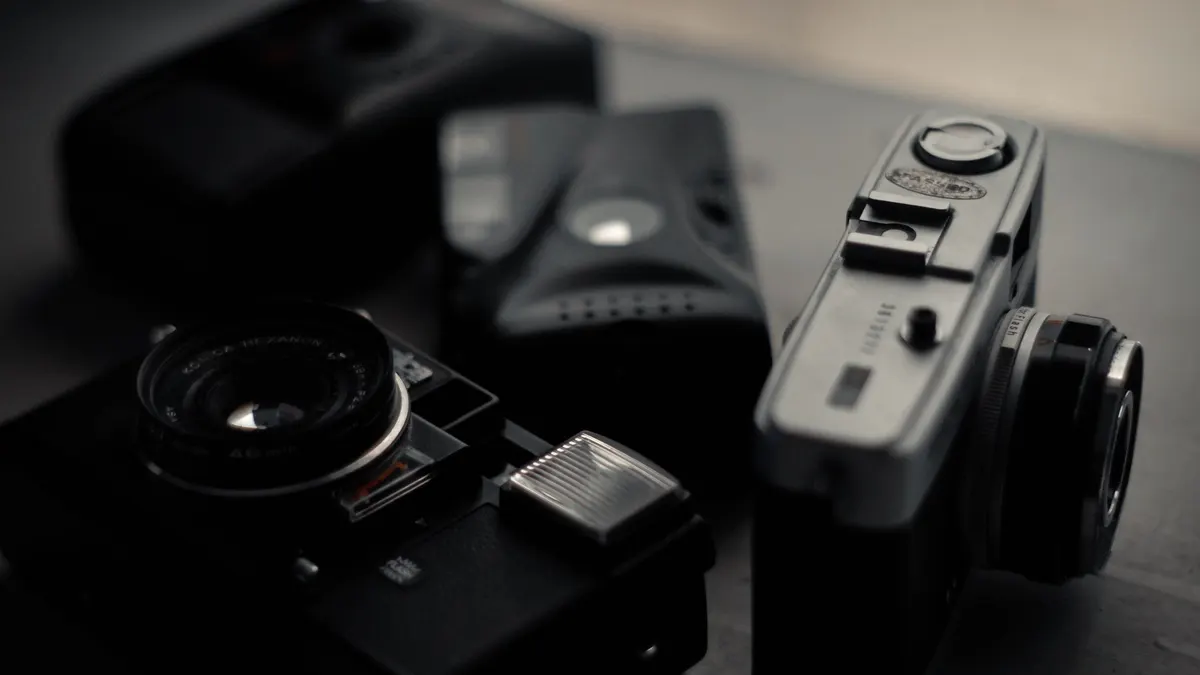
When a digital creator appears in a printed fashion magazine, the styling has to work across two kinds of attention. The page presents a carefully composed editorial image, while some readers may already recognise the subject’s online persona, preferred silhouettes or usual tone. Good styling brings these contexts together without treating the creator as either a conventional fashion model or a walking extension of their social-media feed.
Building a look around a recognisable image
Preparation begins with an understanding of how the subject presents themselves publicly: perhaps through relaxed tailoring, vivid colour, understated make-up or a playful approach to accessories. These recurring choices can inform the editorial direction, but they need not dictate every outfit. A magazine story gains purpose when it introduces contrast, showing how a familiar personal style can shift in mood, proportion or formality.
Luxury garments may provide structure or visual authority, while familiar details keep the result connected to the creator’s own image. A sharply cut jacket, for example, might be worn with trainers or a simple top rather than a fully formal combination. The point is not to imply that expensive clothing automatically signals taste. It is to make each element contribute to a coherent character and setting.
Adapting fashion for the printed page
Clothes that look effortless in a short online post may need a different treatment in a printed photograph. A magazine image can give more space to fabric, silhouette and atmosphere, so styling may emphasise a coat’s movement, the shape of a sleeve or the relationship between clothing and location. Strong shapes and clear contrasts often remain legible on the page, while intricate details can reward a closer look.
Outfits are also considered as a sequence. One image might feel close to the subject’s everyday presentation; another can introduce a more formal or experimental direction. Changes in colour, texture and styling help create progression without making the person appear to have been assigned unrelated identities. Accessories, grooming and the way garments are worn can bridge the looks.
Considering a large, familiar audience
A creator with a substantial following may be approached by readers who feel they already know something about them. That familiarity can make small styling decisions especially noticeable. A departure from a usual appearance may attract attention, but it should read as an intentional editorial choice rather than an accidental mismatch. At the same time, repeating an established look too closely can reduce the image to a likeness of existing online content.
Audience size also changes how a page may be discussed and recirculated. A fashion photograph can be viewed alongside everyday posts, comments and personal associations. Styling therefore benefits from clarity: the clothing should communicate its intended mood, and the overall image should avoid relying on an explanation that the photograph cannot provide.
Balancing personality and editorial direction
The strongest approach leaves room for both individual character and a magazine’s visual concept. A stylist can use a familiar gesture, colour preference or relaxed way of wearing a garment as a starting point, then develop it through proportion, layering and setting. This balance makes the subject recognisable without limiting them to a fixed public persona.
Rather than simply dressing an online figure in luxury clothes, the process asks what those clothes express in this particular image. The answer may be confidence, ease, humour or a deliberate change of pace. When personal cues and editorial choices support one another, the printed page feels considered while still allowing the creator to appear as a person beyond a familiar screen presence.
More articles
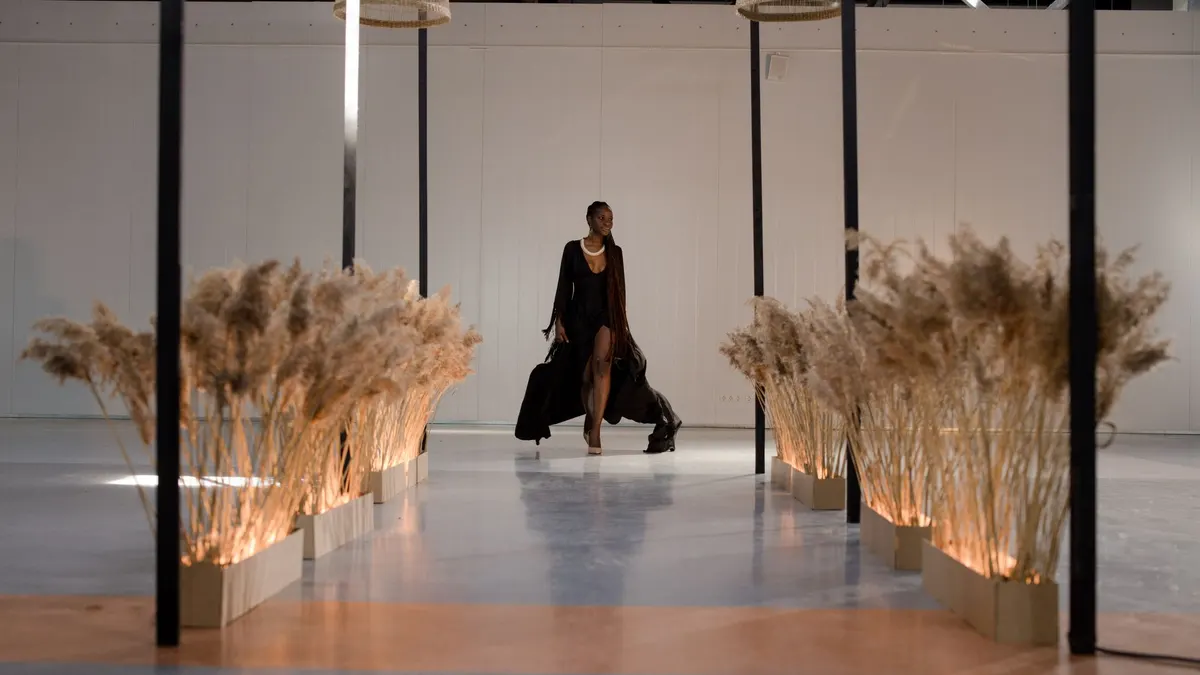 Styling for public figures
Styling for Film Festival Appearances
Festival looks balance clothing, accessories and footwear with fitting schedules, travel plans and the demands of red-carpet photography.
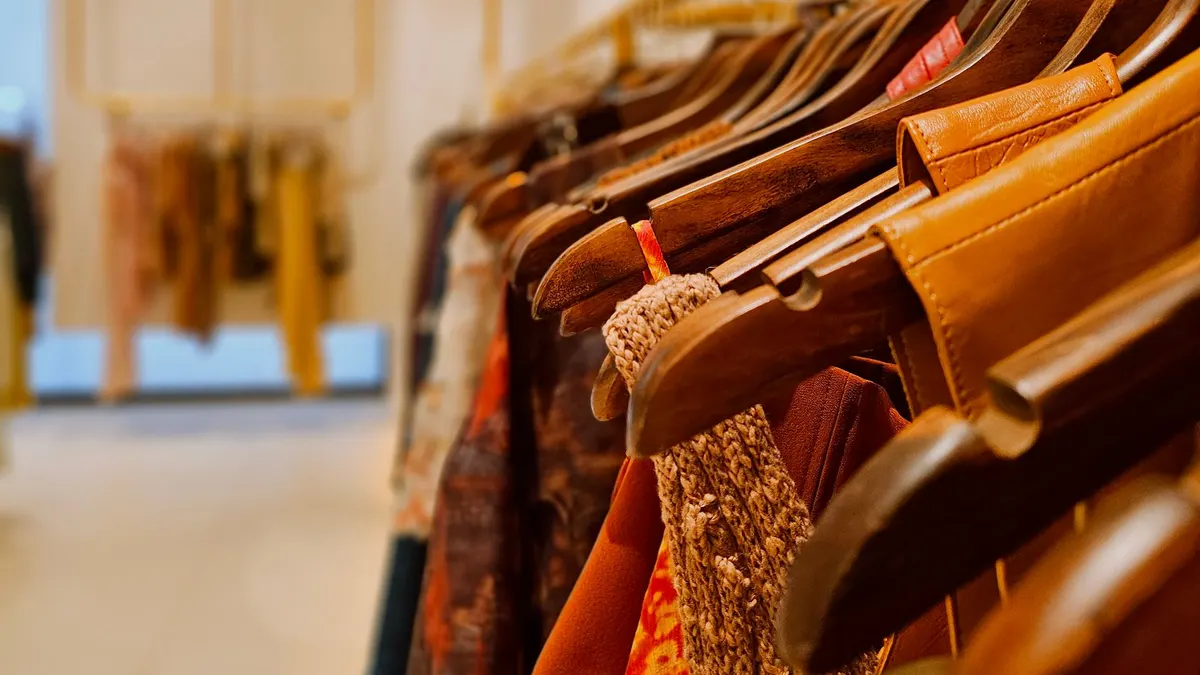 Styling for public figures
How an Assistant Stylist Supports a Magazine Cover Shoot
An assistant stylist helps a cover shoot run smoothly, from organising borrowed garments to making quick adjustments on set and managing returns.
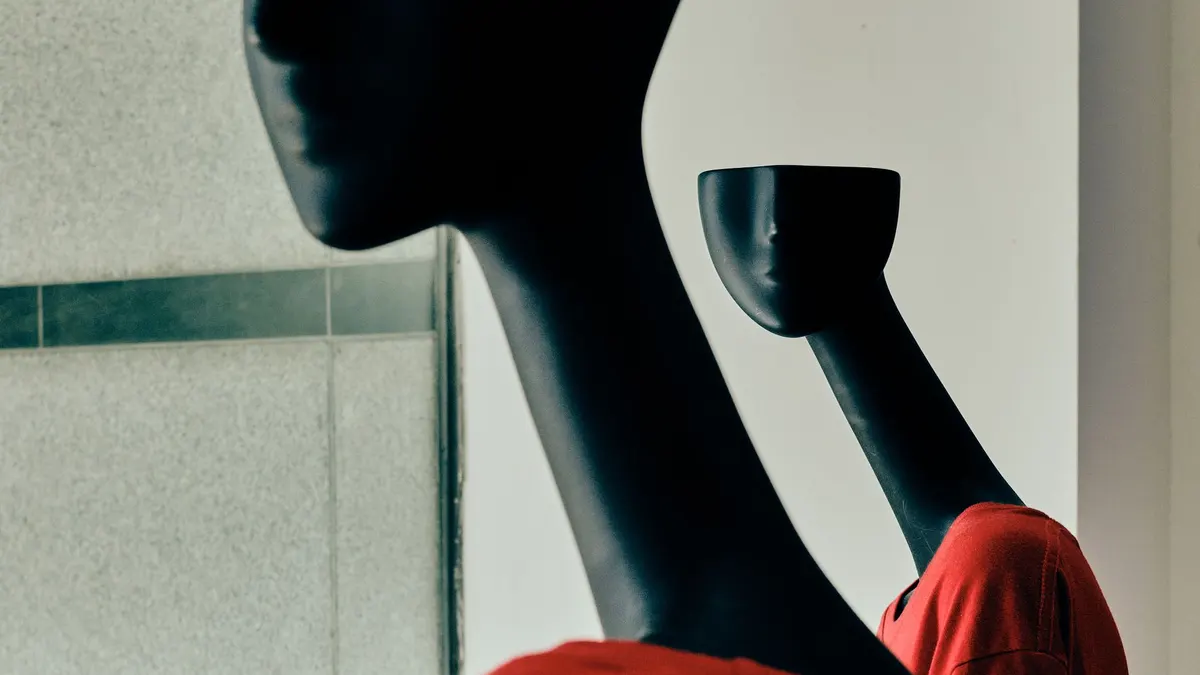 Styling for public figures
Menswear Styling for Portrait Photography
Menswear portrait styling balances fit, layers and accessories with the subject’s character and the photographer’s approach to light.