Menswear Styling for Portrait Photography
Menswear portrait styling balances fit, layers and accessories with the subject’s character and the photographer’s approach to light.
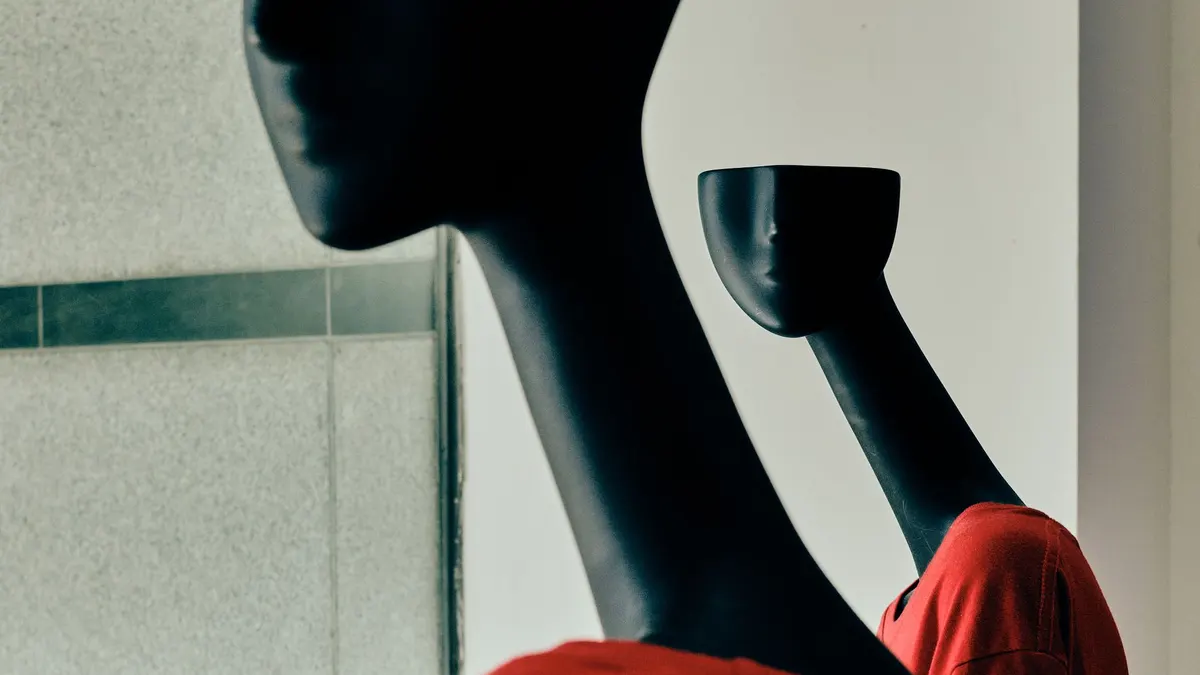
Menswear styling for an actor’s portrait is a considered balance between personal character and visual structure. Clothes should support the subject’s presence without distracting from expression. A magazine portrait series also needs a clear direction across several images, so each outfit is planned in relation to the setting, pose and lighting rather than treated as an isolated look.
Planning a portrait series
Preparation begins with the purpose and mood of the photographs. A restrained, formal portrait may call for a precise jacket and a quiet palette, while a more relaxed series could use soft knitwear, an open collar or a casually worn coat. The stylist considers the subject’s posture and movement, as well as how much of each garment will appear in the frame.
Outfits are usually selected as a small, coherent wardrobe. Changes in texture or silhouette can give the series variety while maintaining a recognisable tone. Practical details matter: a sleeve should sit cleanly when an arm is raised, a collar should remain comfortable when the subject turns, and fabric should fall naturally when seated. The intention is to make clothing feel credible, not like a costume.
Tailoring, fit and layering
Cut affects both appearance and ease of movement. A structured jacket can define the shoulders and create a firm outline, whereas a softer cut gives a more relaxed impression. Trousers should work with the intended stance and crop; excess fabric may gather awkwardly, while a close fit can restrict movement. Small adjustments to length, fastening and proportion can make an outfit read more clearly on camera.
Layering adds depth, especially in close portraits where pattern and large design details may be less visible. A shirt beneath a fine jumper, or a light jacket over a simple top, creates a change in surface without adding visual clutter. Layers also help distinguish one frame from another. They should be tested together, since different fabrics can pull, bunch or catch light in unexpected ways.
Colour and photographic light
Colour choices depend partly on the photographer’s lighting style. Soft, even illumination can preserve subtle differences between nearby tones, while harder directional light creates pronounced highlights and shadows. Pale fabrics may become visually dominant under bright light; very dark garments can lose detail in shadow. Mid-tones and textured materials often retain definition across a wider range of conditions.
Colour is also considered against skin tone, background and the intended mood. A muted palette can keep attention on the face, while a measured contrast between garment and backdrop gives the subject a distinct outline. The photographer and stylist can review fabric samples under the planned light, because a colour that seems balanced in a room may shift on camera.
Accessories and final checks
Accessories should have a clear purpose. A belt, watch or scarf can complete an outfit, provide a point of texture or reinforce its formality, but too many competing details weaken the portrait. Before shooting, the team checks fit, creases, fastenings and how garments respond to movement. These practical choices help the images feel consistent while leaving the actor’s expression at the centre.
More articles
 Styling for public figures
Styling for Film Festival Appearances
Festival looks balance clothing, accessories and footwear with fitting schedules, travel plans and the demands of red-carpet photography.
 Styling for public figures
Styling Digital Creators for Fashion Magazines
Magazine styling for digital creators balances editorial fashion with a recognisable online image, while considering how a large audience may read the page.
 Styling for public figures
How an Assistant Stylist Supports a Magazine Cover Shoot
An assistant stylist helps a cover shoot run smoothly, from organising borrowed garments to making quick adjustments on set and managing returns.