How Fashion Cover Shoots and Editorials Are Planned
A cover shoot and its inside editorial share a visual idea, but serve different purposes. Planning connects wardrobe, styling and the image brief.
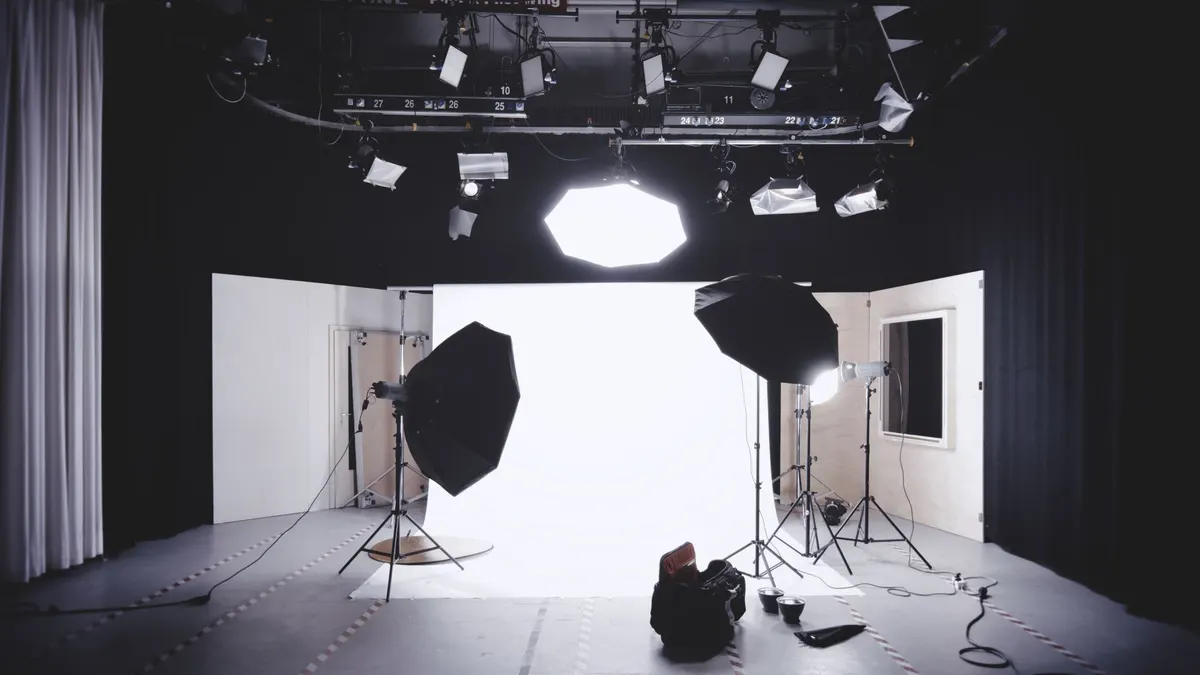
A fashion cover shoot and its accompanying editorial are usually conceived as related parts of one visual story. The cover has to communicate a clear idea at a glance, while the inside pages can develop that idea through changes of clothing, setting and mood. Planning links the two without making them identical.
Shaping the visual brief
Preparation begins with a brief that sets out the intended tone, audience and practical requirements. The team considers the subject, location, lighting, composition and how the images may be used on the page. A cover often needs a strong, readable portrait with space for printed elements, so framing and background are discussed early. The inside editorial can allow more varied compositions, including full-length views and images that place clothing within a scene.
These decisions guide the shoot plan. A sequence may move from a restrained opening image to more expressive looks, or use one consistent atmosphere throughout. The plan also needs to remain flexible: daylight, movement or a garment’s fit may change what works once the camera is in use.
Building a wardrobe across fashion houses
Wardrobe selection gives shape to the story. A stylist may draw garments and accessories from several fashion houses, choosing pieces for silhouette, colour, texture and their relationship to the brief. The aim is not simply to assemble striking items. Each look must read clearly in photographs, suit the subject and contribute to a coherent sequence.
Selections are commonly organised into looks, with alternatives prepared where fit or composition may pose a problem. Notes and outfit references help the team keep track of what belongs together. Garments need careful handling and preparation, and accessories must be considered as part of the whole silhouette rather than added as an afterthought.
The assistant stylist on set
An assistant stylist supports the work of the lead stylist before and during the shoot. On set, this can include preparing the next look, keeping garments in order, checking fastenings and helping with quick changes. The assistant may also watch for details that become visible through the camera, such as a twisted sleeve, a slipping strap or a crease that disrupts the intended line.
Good support depends on timing and clear communication. Changes need to happen without interrupting the flow of the shoot, and clothing must be treated with care between frames. The stylist remains responsible for the overall wardrobe direction, while the assistant helps maintain consistency as the schedule and conditions evolve.
What distinguishes the cover
The cover image is designed to work independently of the longer editorial. Its subject, pose and clothing need immediate impact, and small visual details can matter because the image is often viewed at a reduced size. A direct expression or simple outline may be more effective than a complex arrangement that reads better on a full page.
Inside pages offer room for contrast and progression. They can show movement, layered styling, quieter details or a wider range of moods. The strongest editorial sequence balances variety with connection: each photograph adds something distinct while still belonging to the same visual idea. In this way, the cover acts as a concise introduction, and the story inside supplies its depth.
More articles
 Styling for public figures
Styling for Film Festival Appearances
Festival looks balance clothing, accessories and footwear with fitting schedules, travel plans and the demands of red-carpet photography.
 Styling for public figures
Styling Digital Creators for Fashion Magazines
Magazine styling for digital creators balances editorial fashion with a recognisable online image, while considering how a large audience may read the page.
 Styling for public figures
How an Assistant Stylist Supports a Magazine Cover Shoot
An assistant stylist helps a cover shoot run smoothly, from organising borrowed garments to making quick adjustments on set and managing returns.