AI-Generated Images in Fashion Campaigns
AI-generated images can help explore fashion concepts and visual references, but material knowledge and human judgement remain central to styling.
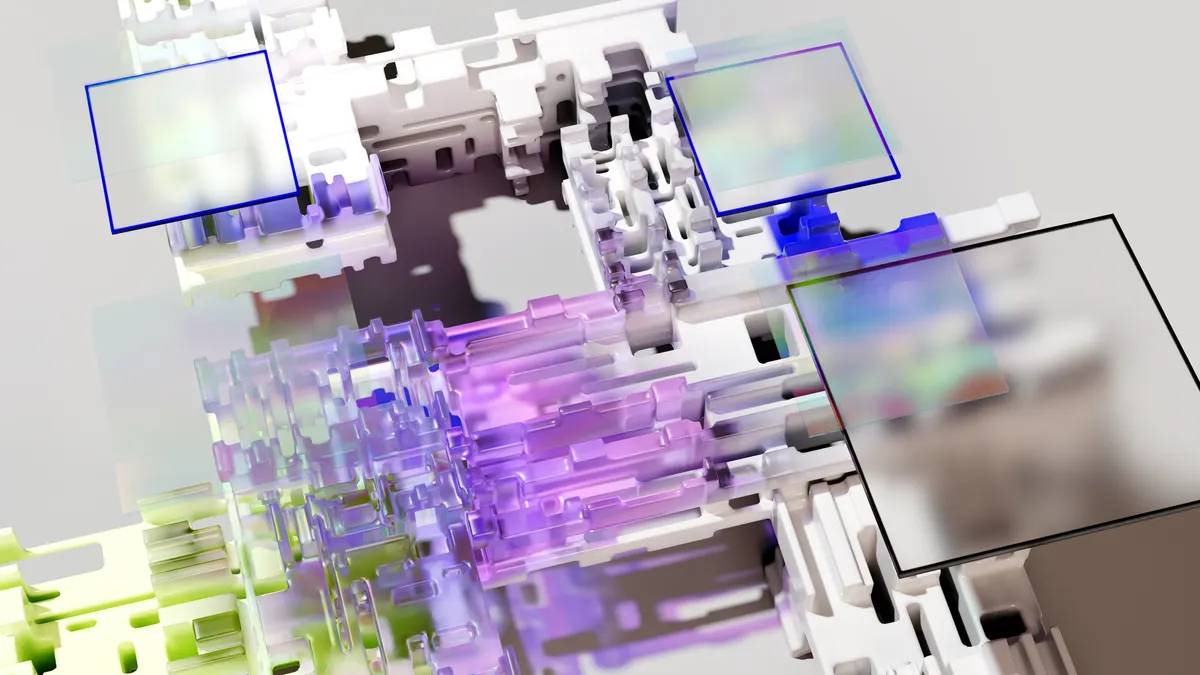
AI-generated images can help fashion teams explore a campaign’s visual direction before garments, locations or sets are ready. They turn written ideas into draft pictures, making it easier to compare a mood, silhouette or colour scheme. These images are best understood as exploratory material rather than reliable records of how clothing will look or behave in a finished photograph.
From concept to visual proposal
A campaign may begin with broad intentions: a quiet atmosphere, a sharply graphic composition or a contrast between formal clothing and an unexpected setting. An image generator can translate such prompts into several visual possibilities. A stylist or art director can then assess which details support the intended message and which distract from it.
Concept visuals can also help communicate a proposed direction across a team. A draft image may suggest how a figure, background and garment could relate within a frame. It can reveal whether an idea depends on close-up detail, a particular balance of empty space, or a strong separation between clothing and surroundings. The image remains provisional; its value lies in opening a discussion, not settling every decision.
Collection previews and moodboards
Generated pictures can give an early impression of how a collection might sit within a campaign world. They may suggest combinations of shapes, colours and settings, helping a team identify a visual thread before all pieces are available together. This can be useful for planning, provided the pictures are not mistaken for accurate previews of the garments themselves.
Moodboards can bring generated imagery together with fabric swatches, sketches, photographs and written notes. In that context, an image is one reference among many. It can prompt a conversation about tone or composition, while physical samples and garment tests provide evidence that a generated picture cannot. Clear distinctions between proposed imagery and actual product details help prevent an imagined feature from being treated as a confirmed design choice.
Art-historical references and visual judgement
Prompts may draw on broad visual ideas associated with painting, sculpture or older forms of portraiture: flattened space, dramatic light, restrained palettes or unusual proportions. Such references can help frame a campaign’s composition without requiring a literal recreation of a particular artwork. Careful use matters, since a vague reference can produce a picture that borrows surface features but misses the original visual logic.
A human stylist contributes knowledge of how clothing meets the body and the frame. Fabric weight affects folds; a sheer layer responds differently to light from a dense knit; reflective surfaces can compete with a face or background. A stylist can judge whether an outfit’s proportions make sense together, whether accessories interrupt the silhouette and whether the proposed pose suits the garment. These decisions depend on material understanding as well as visual composition.
Limits and practical checks
Generated images may distort seams, closures, hands, patterns, garment construction or the way fabric falls. They can combine details that appear plausible at a glance but would not work in a real outfit. Lighting and perspective may also imply a texture or colour that a physical sample does not have. Consequently, generated visuals should not replace fitting, styling, fabric review or photography when accurate representation is required.
Human review is also important for consistency and context. A team can check whether repeated images describe the same visual direction, whether cultural references are being used thoughtfully and whether a draft creates misleading expectations. The most useful role for generated imagery is therefore bounded: it can widen the field of ideas, while people test those ideas against garments, materials, purpose and the realities of the camera.
More articles
 AI imagery
AI Fashion Weeks and Sustainable Collection Planning
AI can help plan collections around available fabrics and present concepts digitally, while physical garments remain essential for testing and wear.
 AI imagery
AI-Generated Jewellery Concepts in Everyday Scenes
Generative jewellery images bring gemstones into everyday scenes. Scale, light and careful styling help the accessories remain convincing.
- AI imagery
Building an AI Fashion Editorial from Research to Image
An AI fashion editorial can translate trend research into a visual sequence, while careful selection and retouching preserve a clear creative point of view.